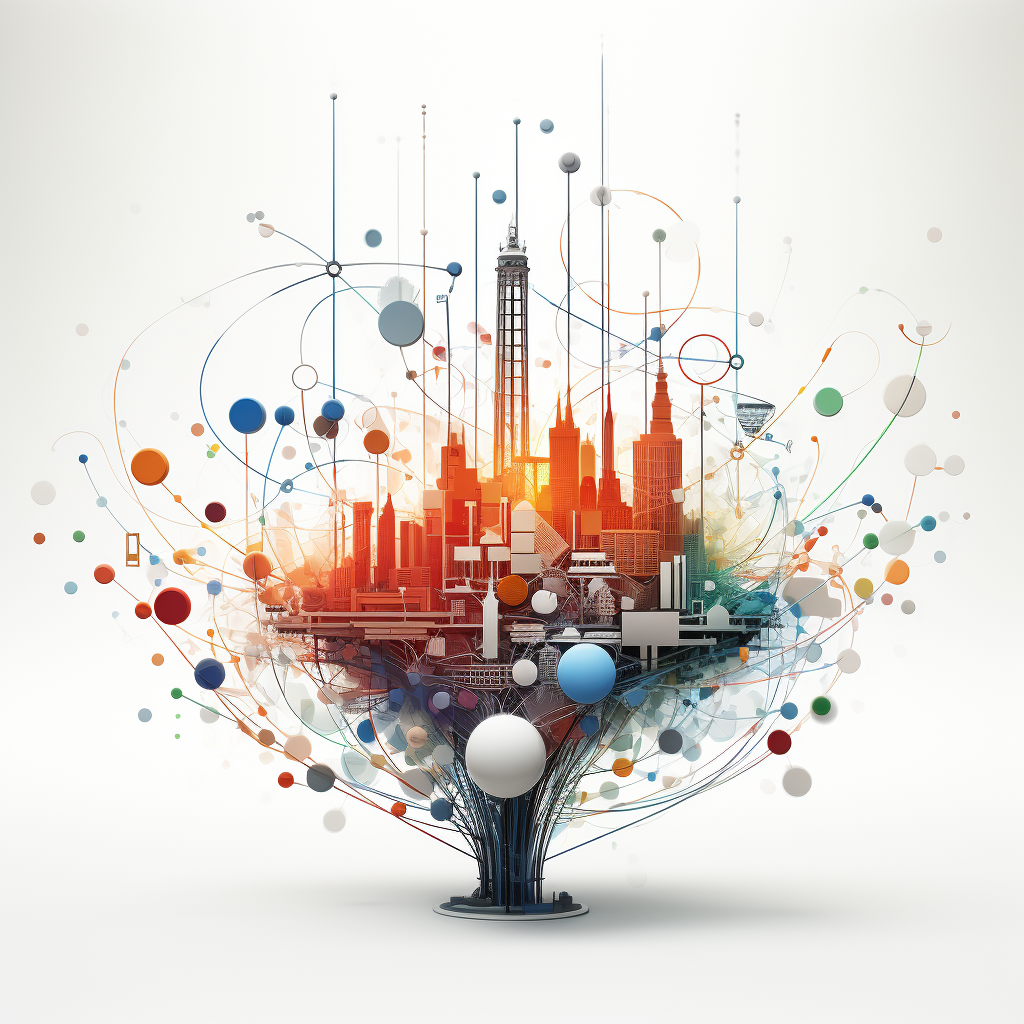
Welcome, architects of tomorrow’s energy landscape! We stand at the threshold of an unprecedented transformation in energy management, where artificial intelligence emerges not merely as a tool, but as the conductor of an intricate symphony of power generation, distribution, and consumption. This technological renaissance is reshaping our relationship with energy, crafting a future where efficiency meets sustainability in perfect harmony.
The Dawn of Intelligent Energy Management
Imagine a world where energy flows like a conscious river, adapting its course to meet the ever-changing needs of our cities and communities. This is not a distant dream—it’s the reality that AI is crafting today. Traditional energy management systems, once limited by human cognitive boundaries, are evolving into dynamic, learning entities capable of processing millions of data points in real-time, making decisions with unprecedented precision and foresight.
The Neural Network of Power
At its core, AI in energy management functions like a highly evolved nervous system, where:
• Sensory Networks: Advanced IoT sensors serve as neural receptors, collecting approximately 2 terabytes of operational data daily, creating a living map of energy consumption patterns.
• Cognitive Cores: Machine learning algorithms act as the system’s brain, processing vast data streams to optimise energy flow with superhuman accuracy.
• Adaptive Responses: Neural networks enable real-time adjustments, creating a self-healing, self-optimizing energy ecosystem.
Revolutionary Applications Reshaping Our World
Predictive Symphony
Like a master composer anticipating each note, AI’s predictive analytics orchestrate energy flow with remarkable precision:
• Forecasting Demand Fluctuations: AI systems forecast demand with 96.4% accuracy within a 12-hour window, allowing for proactive adjustments that reduce peak load demands by up to 34%.
• Reducing Peak Load Demands: Intelligent distribution strategies help in minimizing energy waste during high-demand periods.
• Optimizing Renewable Energy Integration: Through weather-pattern analysis, AI ensures maximum efficiency and minimal waste in renewable energy sources.

Smart Grid Choreography
The modern power grid, under AI’s guidance, performs an intricate dance of supply and demand:
• Dynamic Load Balancing: AI-driven load balancing reduces energy spillage by 23%, enhancing grid stability.
• Predictive Maintenance: Predictive maintenance protocols can extend equipment life by 20% to 40%, lowering operational costs.
• Real-Time Fault Detection: AI enables self-healing capabilities that minimize disruptions and maintain continuous power supply.
The Renewable Energy Revolution
AI serves as the bridge between intermittent renewable sources and consistent power needs:
• Solar Energy Optimization: AI algorithms can increase energy yields by up to 25%, ensuring optimal utilization of solar panels.
• Storage Management Systems: Intelligent storage solutions reduce energy waste by 25%, balancing supply with demand effectively.
Transformative Impact Across Sectors
Smart Building Ecosystems
Modern buildings, empowered by AI, become living organisms that breathe efficiency:
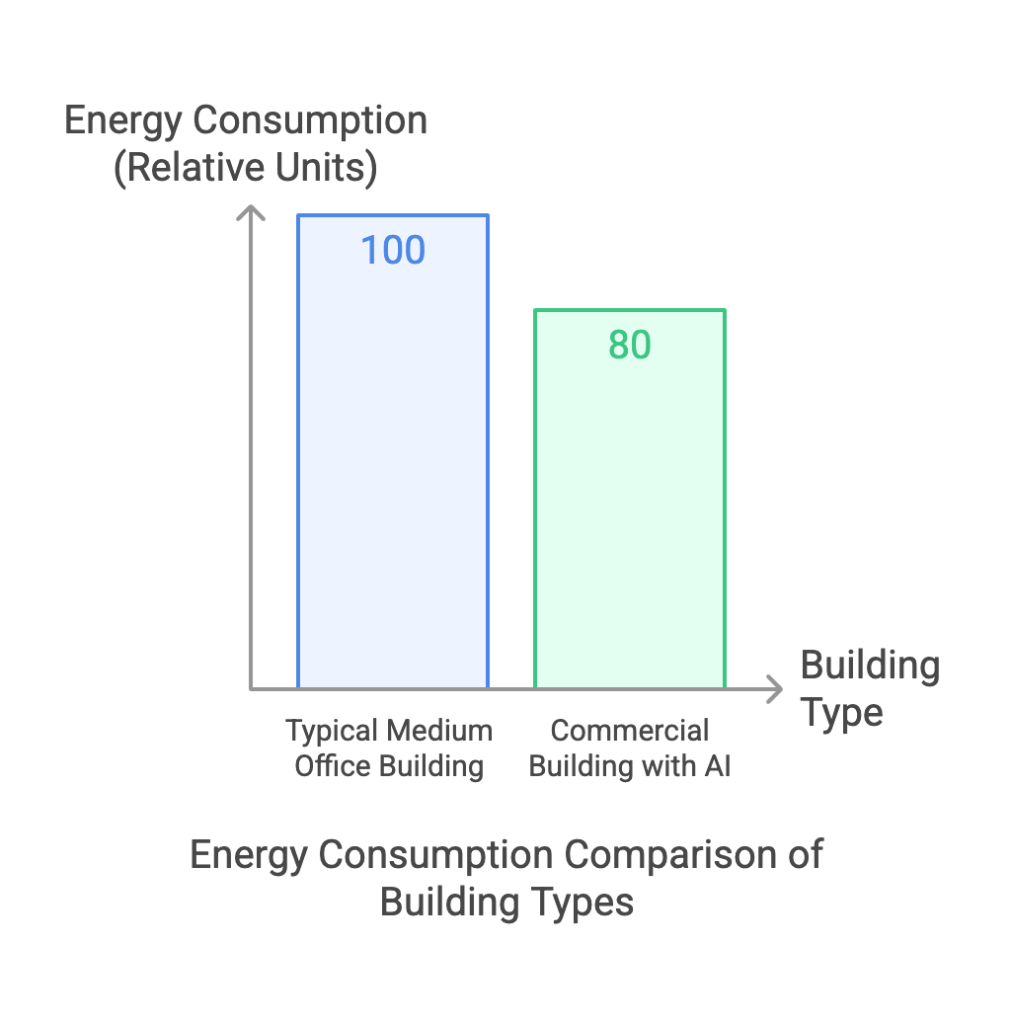
• Commercial Structures: AI integration can lead to approximately 8% to 19% reduction in energy consumption, and when combined with supportive energy policies, can achieve up to 40% energy savings by 2050.
• Intelligent Lighting Systems: AI optimizes illumination based on natural light availability and occupancy patterns, reducing energy waste.
Industrial Renaissance
Manufacturing facilities undergo a metamorphosis through AI integration:
• Production Line Efficiency: AI-enhanced production lines improve energy efficiency by 25%, streamlining operations.
• Predictive Maintenance: AI systems reduce downtime by 50%, ensuring continuous and efficient manufacturing processes.
• Resource Allocation: Real-time demand analysis optimizes resource distribution, minimizing waste and enhancing productivity.
Urban Energy Orchestration
Cities transform into intelligent energy entities:
• Grid Stability: AI integration shows a 45% reduction in frequency deviations, maintaining system frequency within ±0.01 Hz of the nominal value, ensuring reliable energy supply.
• Carbon Emissions: When combined with supportive energy policies, AI in building energy management can achieve up to 90% carbon emissions reduction by 2050.
• Community-Wide Energy Costs: Operating costs decrease by 25%, allowing cities to reinvest savings into community services and infrastructure.
Pioneering the Future
As we venture deeper into this energy revolution, several breakthrough innovations emerge on the horizon:
Quantum-Enhanced Grid Management
• Quantum Computing Capabilities: AI algorithms leverage quantum computing to handle complex energy management tasks.
• Real-Time Optimization: Quantum-enhanced AI enables real-time optimization at unprecedented scales.
• Complex Scenario Modeling: Advanced AI models facilitate enhanced decision-making through comprehensive scenario analyses.
Biologically Inspired Systems
• Self-Healing Networks: AI-driven networks modeled after living organisms can autonomously repair and optimize themselves.
• Adaptive Learning Systems: These systems evolve with usage patterns, continuously improving energy management strategies.
• Neural-Network-Driven Micro-Grid Management: AI manages micro-grids with the efficiency and adaptability of a biological neural network.
Human-AI Collaboration
• Intuitive Interfaces: User-friendly interfaces make advanced energy management accessible to non-experts.
• Democratized Access: AI-powered tools provide broader access to energy optimization technologies.
• Community-Driven Initiatives: AI facilitates community-led energy projects, fostering collaborative sustainability efforts.
The Road Ahead: Challenges and Opportunities
While the path forward presents certain challenges—data security, infrastructure integration, and ethical considerations—these are not barriers but stepping stones to greater innovation. The future of energy management through AI promises:
• Enhanced Grid Resilience: Advanced predictive capabilities strengthen grid resilience against disruptions.
• Seamless Renewable Integration: AI ensures smooth integration of renewable energy sources, addressing intermittency issues.
• Democratized Energy Management: Accessible AI tools empower communities to manage energy efficiently.
• Reduced Environmental Impact: Optimized consumption leads to significant reductions in environmental footprints.
Conclusion: Powering Tomorrow’s World
As we stand at this pivotal moment in energy evolution, AI emerges not just as a technological solution, but as the key to unlocking a sustainable energy future. This isn’t merely about optimizing power consumption—it’s about fundamentally re-imagining our relationship with energy, creating systems that are not just smart, but truly intelligent.
The future of energy management isn’t a distant aspiration—it’s unfolding before us, one innovation at a time. Together, we’re not just managing energy; we’re orchestrating a symphony of sustainable power that will resonate through generations to come.

 Energetic Dialogues