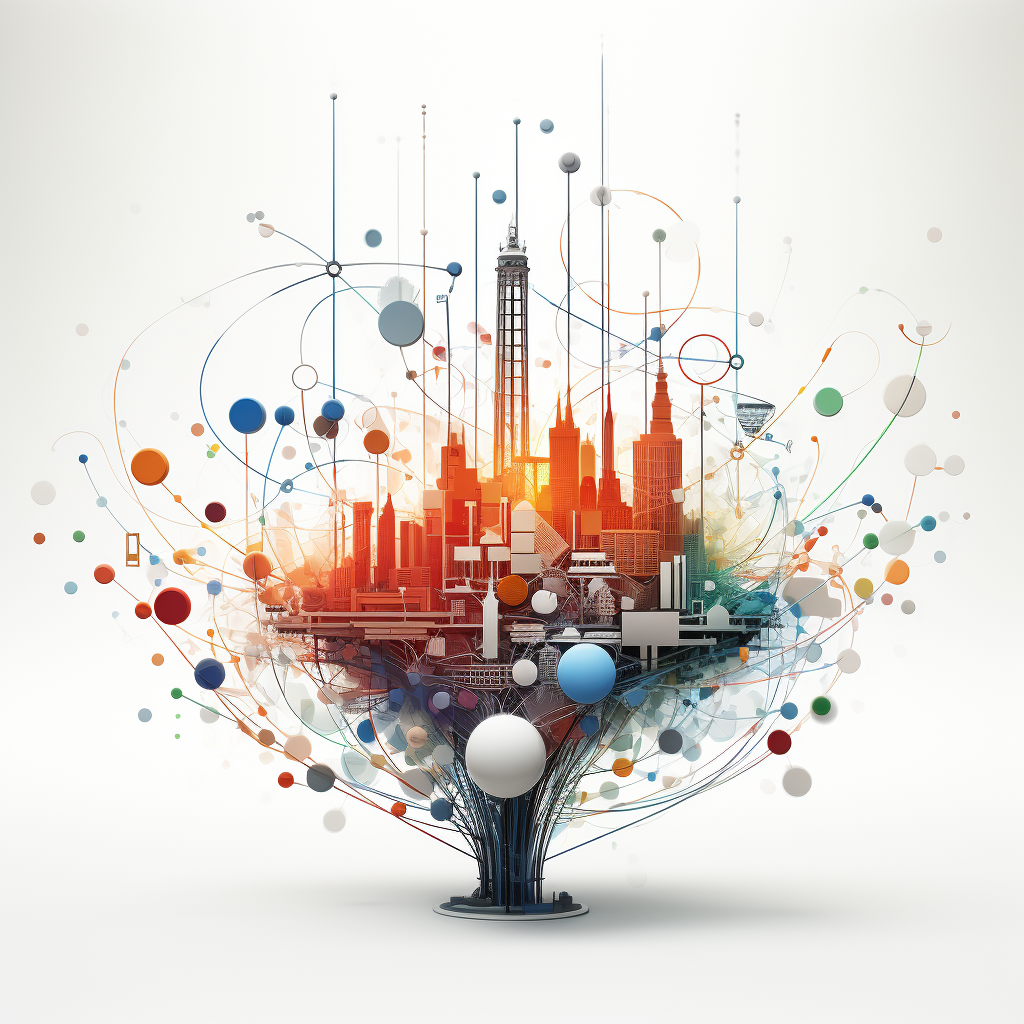
Welcome to the frontier of urban evolution, where artificial intelligence and electrical design converge to orchestrate an unprecedented transformation in how cities think, breathe, and grow. The remarkable evolution of urban technology over the past decade demonstrates that this isn’t just about building infrastructure—it’s about crafting living environments that respond to humanity’s deepest aspirations for sustainable, intelligent urban living.
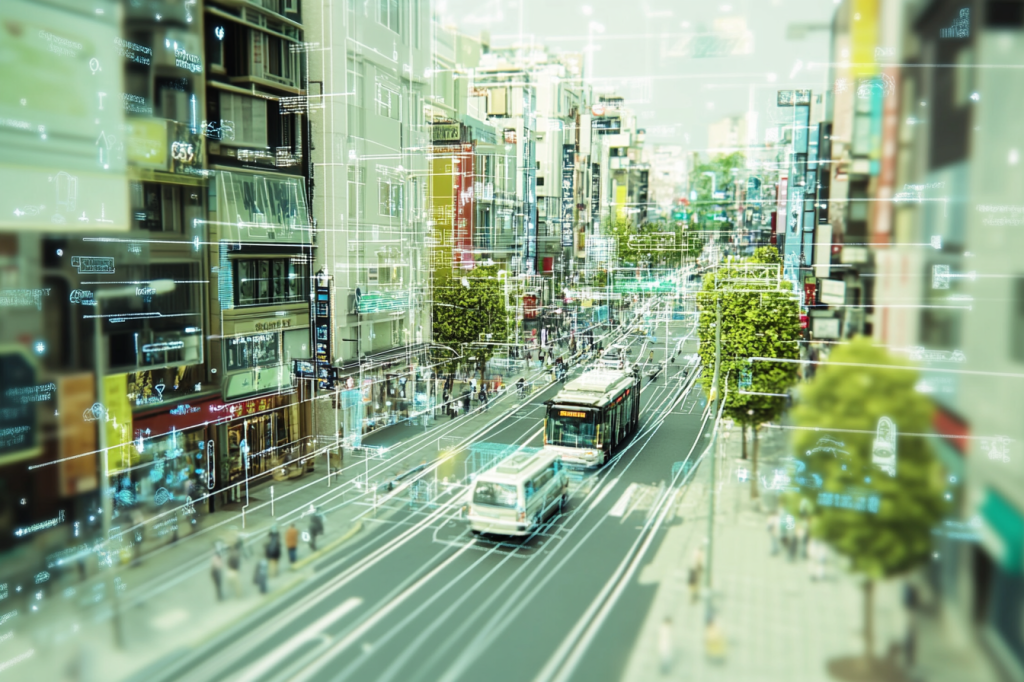
Re-imagining Smart Cities: The Living Metropolis
Picture a city that learns and adapts like a living organism, where every electrical pulse carries not just power, but intelligence. The evolution of smart cities reveals how urban centers transcend traditional infrastructure to become dynamic ecosystems of innovation. These metropolitan organisms thrive through:
- Advanced Neural Networks: IoT sensors act as the city’s sensory organs, processing over 1.8 million data points daily in a typical smart district, enabling real-time responsiveness to environmental changes and citizen needs.
- Cognitive Processing Centers: AI systems serve as the urban brain, analyzing patterns and optimizing operations. One pioneering European city reduced energy consumption by 28% simply by allowing AI to orchestrate its electrical grid based on historical usage patterns.
- Adaptive Energy Systems: Smart grids function as the city’s circulatory system, with AI managing power distribution so efficiently that peak load demands have decreased by 15% in pilot implementations.
The AI-Electrical Synthesis: Beyond Traditional Infrastructure
The marriage of AI and electrical design creates something greater than the sum of its parts. Field experience across multiple urban centers reveals three key transformative elements:
Intelligent Grid Management
Modern smart grids represent perhaps the most sophisticated collaboration between AI and electrical engineering. In a recent implementation in Amsterdam, AI-driven load balancing reduced power fluctuations by 23%, while predictive maintenance protocols extended equipment life by an average of 40%. This project not only enhanced grid reliability but also significantly lowered operational costs.
Predictive Excellence
Consider how a leading Asian metropolis deployed AI-powered predictive systems across its electrical infrastructure. The results were staggering: equipment downtime plummeted by 50%, while maintenance costs decreased by a quarter. These aren’t just statistics—they represent real improvements in urban reliability and efficiency.
Energy Orchestration
The symphony of AI-driven energy management has revolutionized how cities consume power. Commercial buildings equipped with AI systems consistently achieve 30% reductions in energy usage, while data centers have slashed cooling costs by 40% through intelligent thermal management.
Charting the Human Impact
The true measure of smart city success lies not in technical metrics alone, but in how it enhances human lives. Urban projects across the globe demonstrate transformative changes:
- Enhanced Quality of Life: Residents in AI-optimized districts report 35% higher satisfaction with utility services, citing improved reliability and reduced costs.
- Environmental Stewardship: Smart electrical systems have helped pioneering cities reduce their carbon footprint by up to 30%, equivalent to removing 100,000 cars from the roads annually.
- Economic Vitality: The implementation of AI in electrical infrastructure has generated new job categories and reduced operating costs by an average of 25%, allowing cities to reinvest in community services.
A Vision for Tomorrow
The evolution of smart city technology reveals one clear truth: this isn’t just about building better infrastructure—it’s about crafting the foundation for humanity’s urban future. The convergence of AI and electrical design represents more than technological advancement; it embodies our collective aspiration for cities that are not just smart, but truly wise.
As this journey continues, each innovation in AI and electrical design brings us closer to urban environments that nurture human potential while preserving our planet’s resources. The city of tomorrow is not a distant dream—it is emerging today, one intelligent system at a time.

 Energetic Dialogues