
Imagine a city that anticipates your needs before you even realize them. Traffic lights adjust to prevent congestion, waste bins signal when they’re full, and environmental monitoring systems proactively address pollution spikes. This isn’t science fiction; it’s the future of urban living powered by Artificial Intelligence (AI).
Transformative Technologies: AI Reshaping Urban Life
AI encompasses various technologies like machine learning, computer vision, and natural language processing. Here’s how AI is transforming our cities:
Traffic Flow Optimization: AI-powered systems analyze traffic patterns in real-time, predicting bottlenecks and dynamically adjusting traffic signals. This reduces congestion, shortens commutes, and optimizes public transportation by adjusting bus and train schedules based on real-time demand.

Enhanced Public Safety: AI-driven surveillance systems with facial recognition capabilities deter crime and identify potential threats. Predictive policing algorithms analyze crime data to identify high-risk areas, allowing for targeted patrols and proactive measures. While privacy concerns exist, the potential for a safer city is significant.
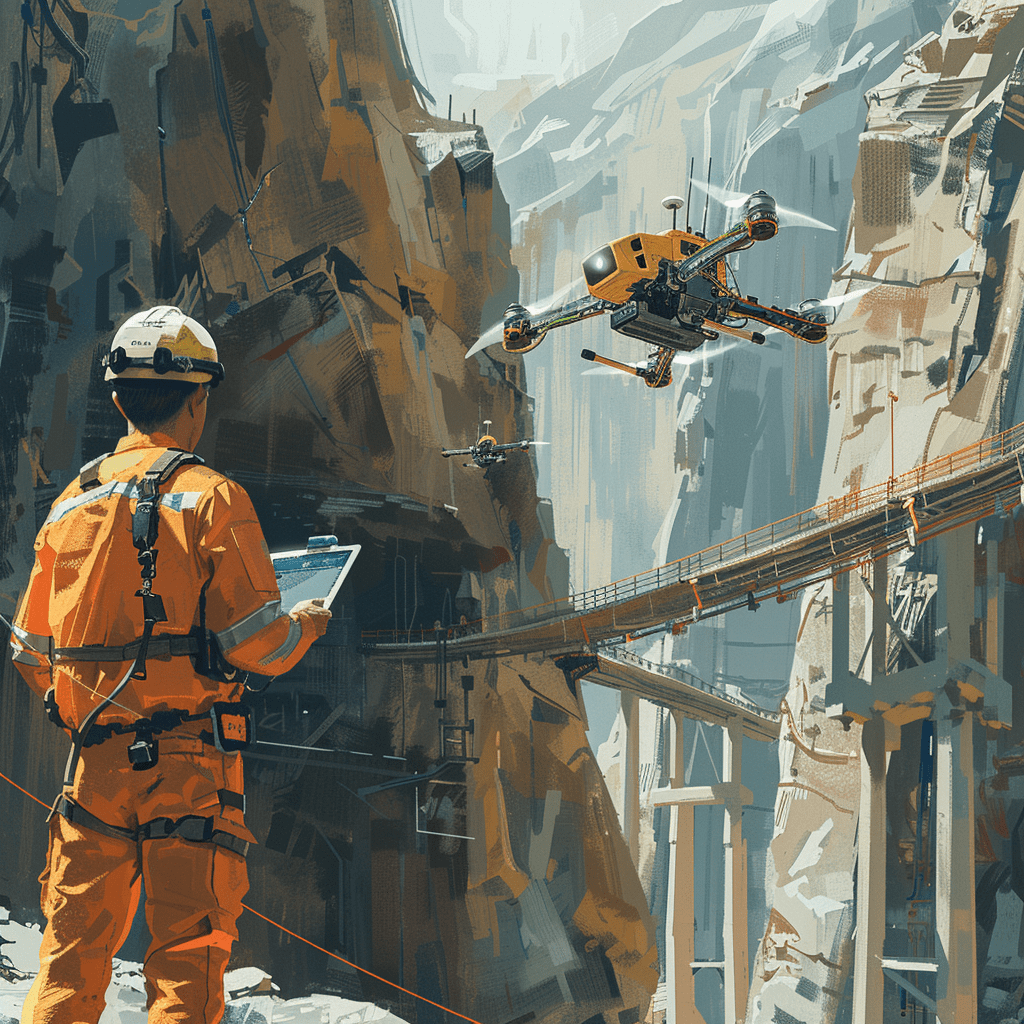
Smart Infrastructure Management: AI-powered systems analyze data from sensors embedded in bridges, roads, and buildings, predicting potential issues before they escalate into costly failures. This allows for preventive maintenance, reducing repair costs and ensuring the smooth operation of critical infrastructure.
Energy Efficiency and Management: Smart grids powered by AI optimize energy consumption in cities. AI predicts energy demand based on weather patterns and resident behavior, allowing for efficient power distribution and integration of renewable energy sources. This reduces reliance on fossil fuels and lowers carbon emissions, contributing to a greener future.
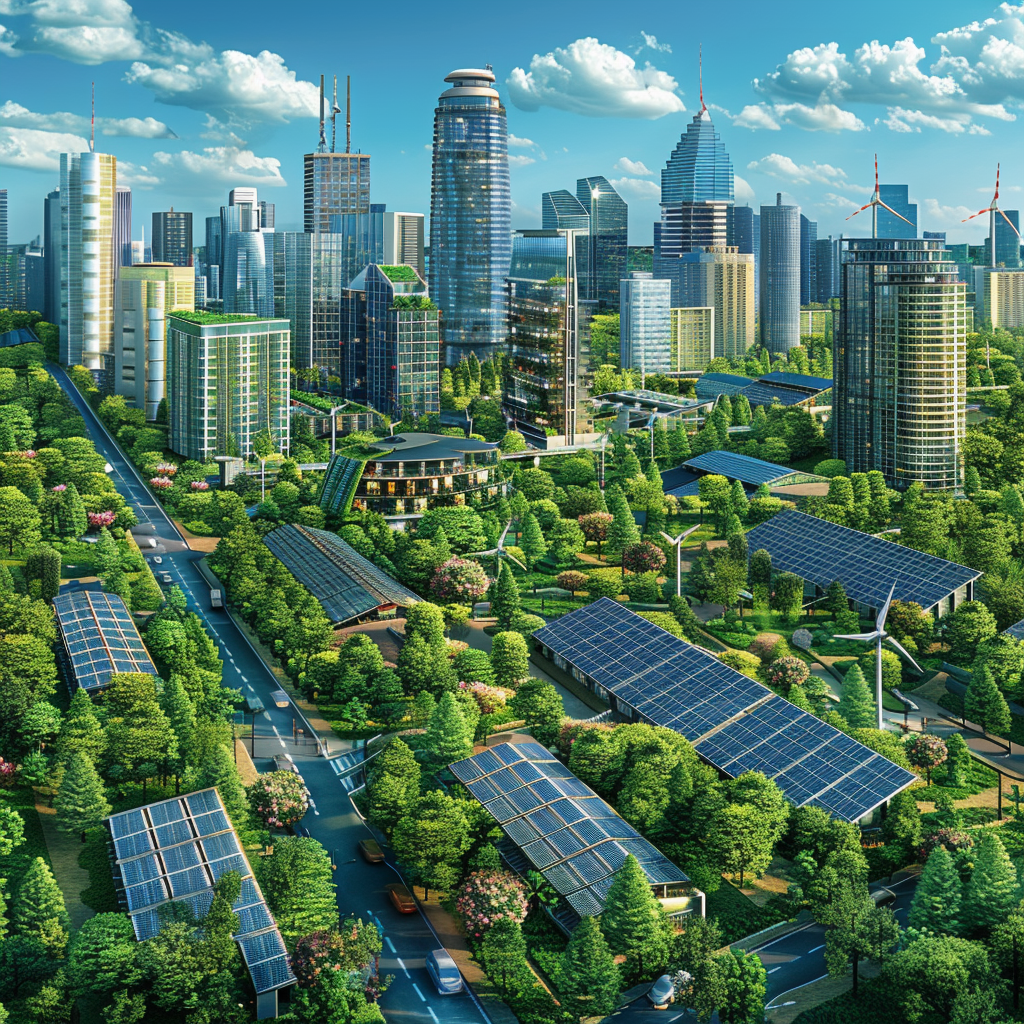
Waste Management Revolution: AI is transforming waste management into a smarter, more sustainable process. Intelligent bin systems inform sanitation crews when bins are full, optimizing collection routes and saving time and resources. AI-powered robots can sort waste materials with greater accuracy, improving recycling rates and reducing reliance on landfills.
Environmental Monitoring and Response: AI monitors environmental conditions like air and water quality. These systems detect pollution spikes and predict environmental hazards like floods or wildfires. This real-time data allows cities to take proactive measures to protect public health and the environment.
These are just a few examples of how AI is transforming our cities. As AI technology continues to evolve, we can expect even more innovative applications to emerge in the future.
Beyond Efficiency: The Broader Benefits of Smart Cities
The benefits of AI-powered smart cities extend beyond efficiency and cost savings. Here are some broader societal advantages:
Improved Quality of Life: By reducing traffic congestion, optimizing waste management, and enhancing public safety, AI can significantly improve the quality of life for city residents.
Sustainability and Environmental Protection: AI-powered energy management and environmental monitoring contribute significantly to a more sustainable future. Reduced reliance on fossil fuels, improved waste management, and proactive environmental protection lead to cleaner air, healthier ecosystems, and a more resilient urban environment.
Economic Growth and Job Creation: The development and implementation of AI-powered smart city solutions create new job opportunities in areas like data science, AI engineering, and urban planning. This can contribute to economic growth and development for the city as a whole.
Citizen Engagement and Participation: AI-powered platforms facilitate communication between citizens and city authorities, leading to greater citizen engagement in decision-making processes and a more responsive government.
Challenges and Considerations: Building Responsible AI Cities
While AI offers immense potential, its implementation in smart cities raises critical considerations:
Data Privacy and Security: Extensive AI use in smart cities relies on vast amounts of data collection. Privacy concerns arise regarding data security and usage. Robust data privacy regulations and transparent data management practices are essential to protect citizens’ privacy and prevent misuse of data.
Bias and Fairness in AI Systems: Ensuring fairness and transparency in AI development is crucial to avoid discriminatory outcomes and ensure equitable treatment for all citizens. This requires careful selection of training data, ongoing monitoring for bias, and implementing mechanisms to address potential biases in AI systems.
Algorithmic Transparency and Explainability: Many AI systems function as “black boxes,” making it difficult to understand how they arrive at decisions. This lack of transparency can erode public trust and raise concerns about accountability. Developing more transparent and explainable AI systems is crucial for building trust and ensuring responsible use.
Digital Divide and Social Equity: Not everyone has equal access to technology or the digital literacy skills needed to participate in a smart city environment. This raises concerns about social equity and the potential for AI to exacerbate existing inequalities. It’s important to ensure inclusive access to technology and develop programs to bridge the digital divide.
Job Displacement: Automation powered by AI has the potential to displace certain jobs, particularly in sectors like transportation and manufacturing. While new jobs will be created, there needs to be a focus on retraining and reskilling the workforce to adapt to the changing job landscape.
The Road Ahead: Building a Future-Proof Smart City
Developing AI-powered smart cities is an ongoing process requiring collaboration between various stakeholders, including city governments, tech companies, research institutions, and citizens. By addressing the challenges and fostering collaboration, we can harness the power of AI to build smart cities that are not just efficient and sustainable but also equitable, inclusive, and beneficial for all residents. This journey towards a future-proof smart city requires continuous learning, adaptation, and a commitment to responsible AI development.
A Look Ahead: Exploring the Future in More Detail
This article provides a high-level overview of AI-powered smart cities. As promised, this just scratches the surface! In future articles, we can delve deeper into specific areas of interest:
• A Day in the Life of a Smart City Resident: Experience the daily benefits of AI integration in areas like transportation, waste management, and environmental monitoring.
• The Ethics of AI in Surveillance: Explore the ethical considerations surrounding AI-powered surveillance systems and potential solutions for ensuring privacy and security.
• The Future of Work in Smart Cities: Analyze the impact of AI on job markets and explore strategies for workforce development and reskilling.
• Building Inclusive Smart Cities: Discuss strategies for ensuring equitable access to technology and bridging the digital divide in smart city environments.


 Energetic Dialogues