
Smart grids represent a profound transformation in the way we manage, distribute, and consume electricity, illustrating the transformative potential of integrating advanced technologies into our energy infrastructure. These systems facilitate a much-needed transition from traditional, unidirectional grids to dynamic, interactive smart grids, designed to meet modern cities’ escalating energy demands with increased efficiency and sustainability.
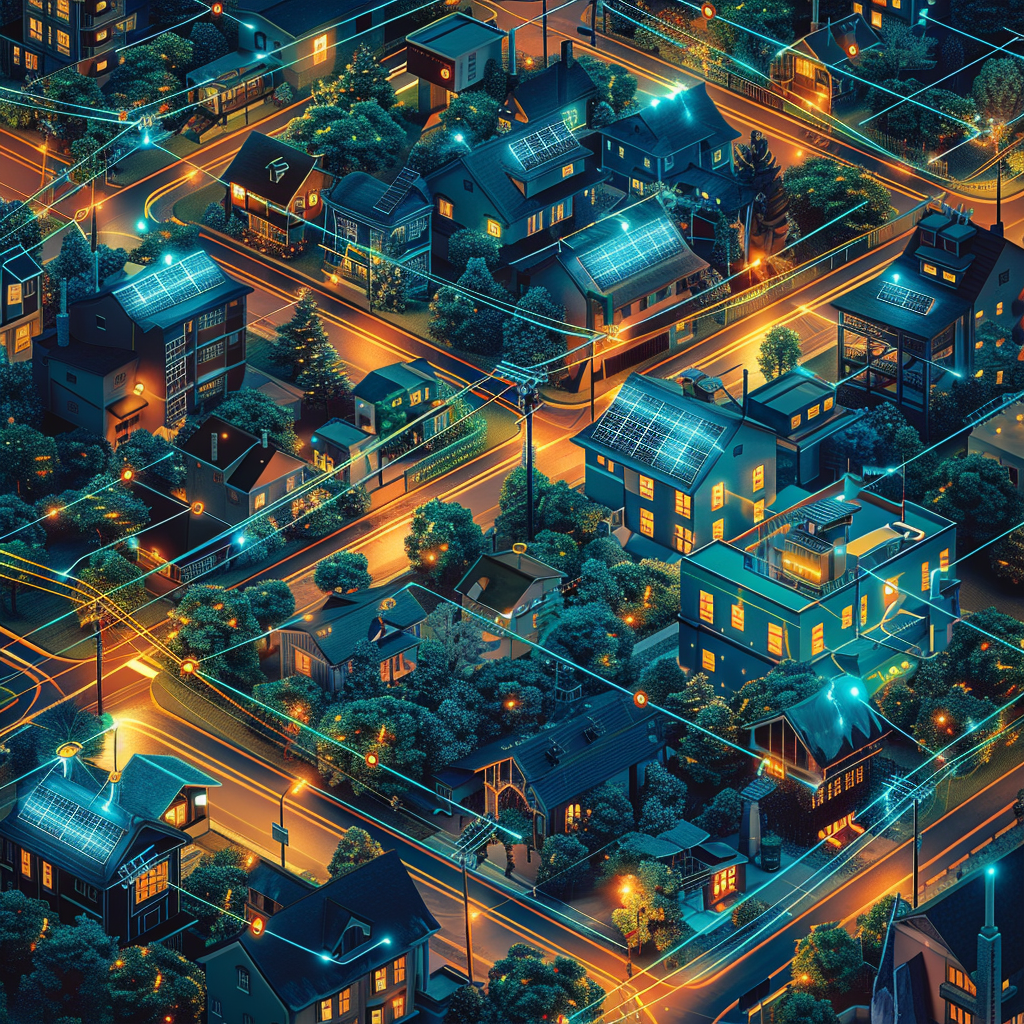
Smart grids offer extensive benefits that span the entire energy spectrum, affecting utility providers, consumers, and the environment:
- Balancing Supply and Demand: One of smart grids’ most significant advantages is their ability to finely balance energy supply with consumer demand. Utilising real-time data and automated systems, they adjust energy distribution instantly, ensuring reliability and preventing potential power disruptions.
- Efficient Renewable Integration: Smart grids adeptly manage the variability of renewable energies, facilitating smoother incorporation of sources like solar and wind. They predict energy outputs from these renewables and store excess energy, optimising the use of green power.
- Enhanced Efficiency: Smart grids go beyond merely implementing advanced technology; they optimise how energy is used. Through devices like smart meters, they provide consumers with precise data about their energy consumption, enabling informed decisions that reduce wastage.
- Cost Efficiency: Improved operations within smart grids lead to reduced operational costs. These savings are transferred to consumers, who benefit from reduced energy bills through pricing models that reward consumption during off-peak hours.
- Consumer Empowerment: Smart grids transform consumers from passive recipients to active participants in the energy market. This capability allows them to sell excess energy back to the grid and adjust their energy use based on real-time pricing, actively engaging them in the energy economy.
- Environmental Impact: By integrating renewable energy and enhancing grid efficiency, smart grids significantly reduce the overall carbon footprint, positioning them as crucial in combating climate change.

Challenges: Addressing Implementation Barriers
The deployment of smart grids, while promising, involves several challenges:
- Infrastructure Overhaul: Transitioning to smart grids requires substantial investment in upgrading existing grid systems. This includes implementing new technologies like advanced metering and enhanced communication networks—an extensive undertaking that demands both time and capital but promises significant long-term benefits.
- Security Risks: The connectivity inherent in smart grids introduces new cybersecurity challenges. Developing robust security measures is essential to protect sensitive data and maintain the integrity of grid operations.
- Standardisation: For smart grids to function seamlessly, widespread adoption of standardised technologies and protocols is essential, ensuring compatibility across various grid components.
- Consumer Participation: The success of smart grids heavily depends on consumer involvement. It is crucial to educate the public on the benefits of smart grids and provide incentives for their participation to ensure broad adoption.
- Regulatory Adaptation: Supporting the evolution of smart grids requires adaptable regulatory frameworks. These policies should promote investment in smart technologies, facilitate consumer engagement, and ensure fair competition within the energy market.

Technological Foundations
Smart grids are supported by several key technologies that enhance their functionality:
- Smart Meters and Advanced Metering Infrastructure (AMI): These technologies provide real-time insights into consumer energy usage, aiding in more effective decision-making and precise grid management.
- Communication Networks: Vital for transmitting information across the grid, these networks facilitate the real-time monitoring and control necessary for responsive grid management.
- Sensors and Automation Systems: Deployed throughout the grid, these technologies monitor conditions and automate responses, improving both efficiency and resilience.
- Energy Storage Solutions: Advanced storage systems are critical for balancing the variability of renewable energy sources, ensuring a steady supply of energy.
Global Implementations
Examples from around the world, such as Utrecht’s comprehensive smart grid project, California’s leadership in renewable integration, and China’s extensive grid modernisation, underscore the scalable benefits of smart grids and their crucial role in advancing sustainable energy practices.
Smart grids signify a critical shift towards a sustainable, efficient, and responsive energy infrastructure, blending technological innovation with environmental stewardship. While challenges remain in achieving global adoption, the strategic importance of smart grids in realising a sustainable energy future cannot be overstated. As we progress towards a cleaner energy paradigm, smart grids stand as a testament to our commitment to innovation and sustainability, ensuring a robust, future-proof energy landscape.


 Energetic Dialogues