
The city that never sleeps also needs to be sustainable and resilient. As urban centres grapple with the ever-increasing demand for energy, battery storage emerges as a game-changer, paving the way for smart cities that are both environmentally conscious and reliable. Let’s delve into the world of battery storage, exploring its benefits, challenges, and exciting applications that are transforming urban landscapes.
From Flickering Candles to Stable Power: Addressing the Renewable Challenge
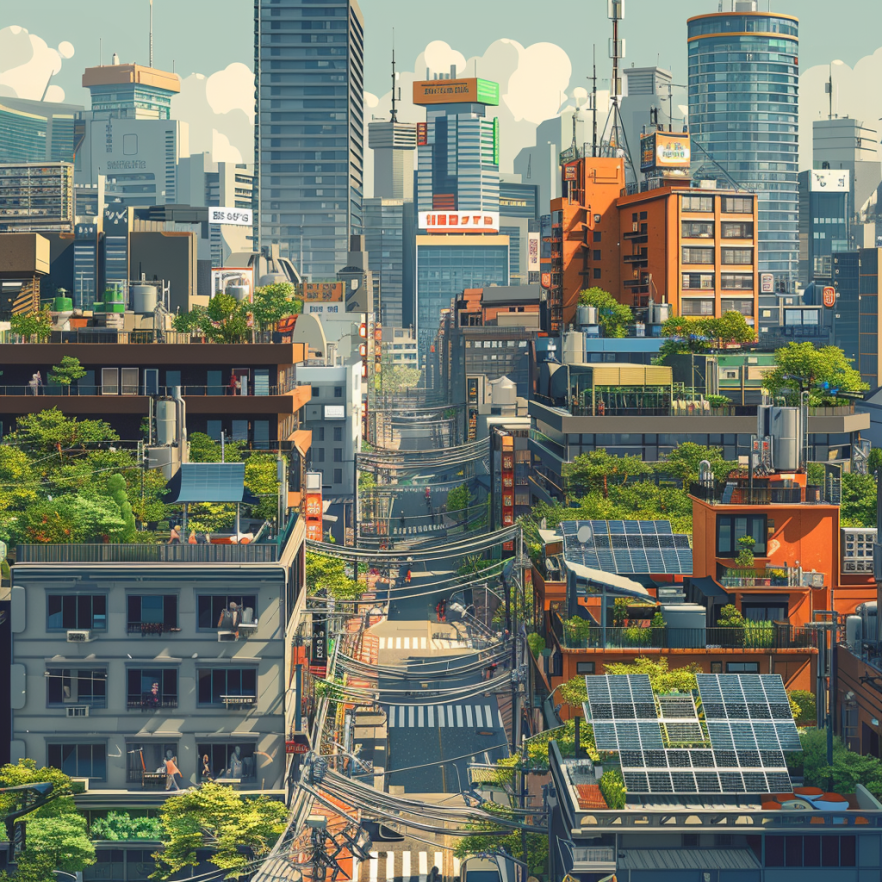
Our reliance on fossil fuels has come at a steep environmental cost, and cities are leading the charge towards a cleaner future. But integrating renewable energy sources like solar and wind presents a unique challenge: their intermittency.
Imagine a city powered solely by solar panels. During the day, the sun shines brightly, generating an abundance of energy. But what happens when the sun sets? The panels become inactive, leaving the city in a sudden energy deficit. This “flickering candle” effect is a major hurdle in our transition to renewables, creating strain on the grid and making it difficult to maintain a consistent and reliable energy supply.
Enter the Battery: A Trusted Partner for a Sustainable Future
Here’s where battery storage steps in, acting as a reservoir for energy. Think of it as a giant power bank, capturing excess energy generated during peak production times (think sunny afternoons) and releasing it when demand is high or renewable sources are inactive (think those long, nights). This simple yet powerful concept helps to:
- Smooth out the fluctuations: By storing and releasing energy, battery storage ensures a consistent and reliable energy supply, even when renewable sources aren’t actively generating. Imagine the city’s lights staying on uninterrupted, powered by the sunshine stored earlier in the day.
- Facilitate higher penetration of renewables: By mitigating intermittency issues, battery storage allows for a greater reliance on renewable energy in the energy mix. This reduces dependence on fossil fuels, leading to a cleaner and more sustainable cityscape. Imagine a city powered primarily by the sun and wind, with battery storage acting as a bridge between renewable energy generation and consistent energy supply.
- Enhance grid stability: Battery storage acts as a buffer, absorbing and releasing energy to regulate grid voltage and frequency. This improves overall grid stability and reliability, minimizing the risk of power outages, and those inconvenient blackouts that disrupt our daily lives. Imagine a city with a resilient and adaptable grid, capable of handling fluctuations in demand and supply without experiencing disruptions.

Beyond the Basics: A Spectrum of Solutions for Urban Needs
The world of battery storage is constantly evolving, offering exciting solutions specifically designed for urban environments:
- Solid-state batteries: These are like the superheroes of the battery world, boasting increased stability, energy density, and longer lifespan compared to traditional lithium-ion batteries. This translates to more reliable and efficient energy storage for urban settings, powering everything from skyscrapers to streetlights. Imagine a future where electric buses and taxis can travel further distances with faster charging times, thanks to the advancements in battery technology.
- Energy Storage as a Service (ESaaS): This model functions like a car-sharing service for energy. Users can access the benefits of battery storage without the upfront investment in infrastructure. Imagine a small business or community leveraging ESaaS to participate in the energy transition without breaking the bank. This model can democratize access to clean energy and empower various stakeholders to contribute to a more sustainable urban ecosystem.
- Distributed Storage Systems: This approach decentralizes power, empowering individual buildings and communities to produce and store their own energy. Think electric vehicles (EVs) acting as mobile power banks, microgrids powering entire neighbourhoods, and virtual power plants (VPPs) combining the energy of multiple sources to create a distributed and resilient energy network. Imagine a city where homes, businesses, and even vehicles can contribute to the local energy grid, fostering a collaborative and sustainable energy landscape.
Real-World Examples: Putting Battery Storage into Action

Battery storage isn’t just a futuristic concept; it’s already making a difference in cities around the world:
- California, USA: Los Angeles is utilizing a 100-megawatt battery storage system to integrate more renewable energy into its grid and improve reliability during peak demand periods. This system helps to ensure a smooth transition to renewable energy sources while maintaining a reliable power supply for millions of residents.
- Australia: The world’s largest lithium-ion battery (150 megawatts) is located in South Australia, helping to stabilize the grid and integrate renewable energy sources like wind and solar. This large-scale project demonstrates the potential of battery storage to play a significant role in managing renewable energy intermittency and creating a more sustainable grid.
- India: New Delhi, notorious for its air pollution, is deploying battery storage systems to integrate solar power and reduce dependence on coal-fired power plants. This initiative not only contributes to cleaner air but also paves the way for a more reliable and sustainable energy future for the city.
Challenges and the Road Ahead: Building a Brighter Future
While battery storage holds immense potential, it’s important to acknowledge the challenges that need to be addressed:
- Cost: While costs are decreasing, upfront investment in battery storage systems can still be significant. However, advancements in technology and economies of scale are expected to bring down costs in the foreseeable future.
- Environmental impact: The mining and processing of raw materials used in battery production can have environmental consequences. Sustainable sourcing practices and responsible recycling are crucial to minimize the environmental footprint of battery storage.
- Integration with existing infrastructure: Integrating battery storage with existing grids can require upgrades and modifications, which can be complex and time-consuming. However, with proper planning and collaboration, these challenges can be overcome.
Conclusion: A Brighter Future Powered by Innovation
Battery storage is more than just a technology; it’s a paradigm shift. By empowering cities to embrace renewable energy, enhance grid resilience, and contribute to a cleaner future, battery storage plays a pivotal role in building smart and sustainable urban landscapes. As technology continues to evolve and costs decrease, we can expect to see even more innovative applications emerge, shaping the future of our cities and paving the way for a brighter and more sustainable tomorrow.
Join me in this vital conversation and share your visions and insights on the leveraging of advanced energy storage solutions and how you perceive the integration of innovative battery storage systems in reshaping urban landscapes and moving them towards a future of resilience and sustainability.


 Energetic Dialogues