
Welcome to the future of urban living, where the essence of smart cities lies in harmonizing cutting-edge technology with the human touch. Beyond their high-tech façades, smart cities are evolving into vibrant communities where fostering connectivity and nurturing community spirit stand at the forefront. Join me as we explore how these hubs of innovation are fundamentally about fostering human interaction and community well-being, reshaping not just our skylines but also the very essence of our collective urban experience.
Human-Centric Urban Spaces: Smart cities embrace a human-centric approach, transcending beyond the infrastructure. They are about crafting spaces that prioritise residents’ well-being, from interactive parks to communal hubs, making cities not just livable but lovable. This philosophy is mirrored in projects like Barcelona’s Superilles or Copenhagen’s 15-minute city concept, transforming urban landscapes into self-sufficient, community-focused havens.

Technology as a Community Enabler: In the heart of smart cities, technology plays a pivotal role in enhancing community engagement. Digital governance tools and platforms empower residents to have a say in matters related to their community, truly democratizing city governance. Beyond just digital interactions, social platforms and community apps serve as catalysts for cultural events and cultivate a sense of belonging.

Equitable Connectivity: A fundamental pillar of smart cities is ensuring equitable access to digital resources. Initiatives prioritizing high-speed internet access and digital literacy ensure all community members, irrespective of their socio-economic status, can navigate and contribute to the digital world.

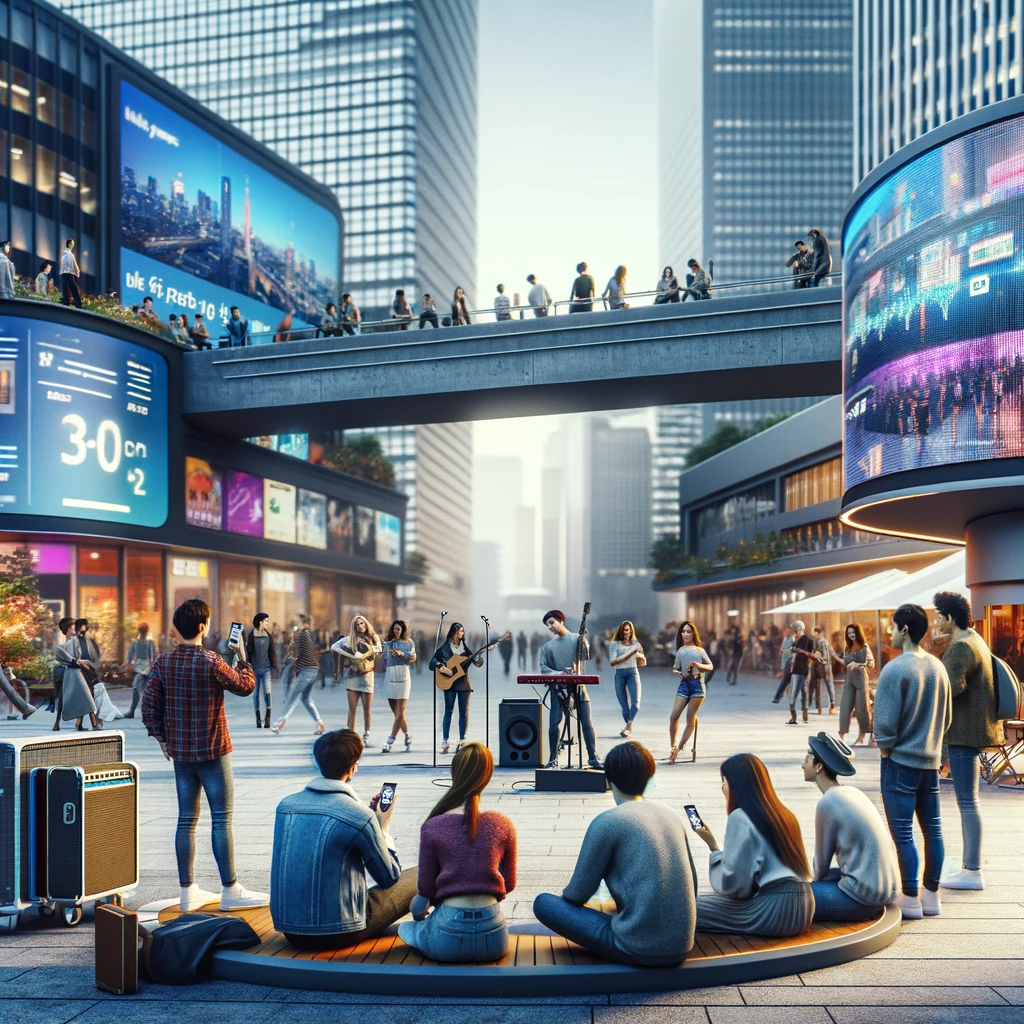
Balancing Technology and Human Interaction: Whist technology is considered an elevating tool to urban life, striking a balance to prevent social isolation is crucial. Smart cities strive to promote physical interactions and responsible digital usage, ensuring technology complements rather than supplants human connections.
Challenges and Opportunities: The evolution of smart cities is not without its hurdles. Issues like privacy concerns, the digital divide, and ensuring inclusive growth necessitate a balanced approach. Addressing these challenges involves:
- Bridging the digital divide through equitable technology access and digital literacy.
- Promoting social inclusion to ensure all communities benefit from tech advancements.
- Upholding data ethics concerning privacy, security, and transparency.
- Enhancing community resilience and fostering social cohesion.

A Collaborative Approach: The path to human-centric smart cities is paved with continuous dialogue and collaboration among diverse stakeholders. This includes inclusive government policies, active resident participation, and adaptable solutions from tech providers. Such collaborative efforts are crucial for catering to varied needs and visions.

Conclusion: A Vision for Human-Centered Smart Cities:
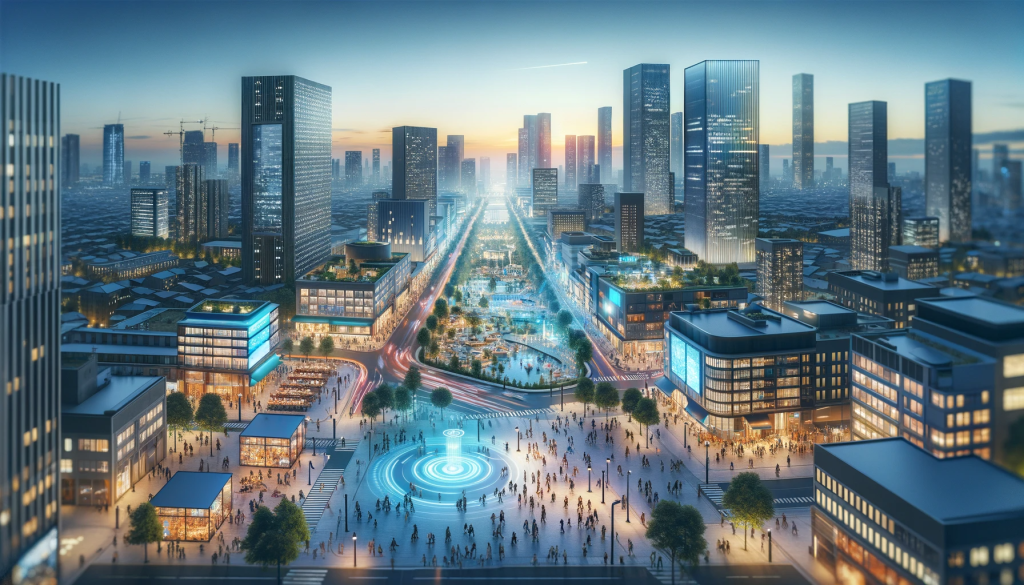
The true indicator of a smart city’s success lies in its ability to integrate technological expertise with a focus on human needs. These urban landscapes should act as platforms where technology fuels meaningful human experiences. The future of smart cities lies in the potential to be dynamic centres of community life, where technology is a facilitator of connectivity and cultural richness. By centring on human-centric design and leveraging technological opportunities, smart cities can evolve into nurturing spaces that foster human connections and a sense of belonging for everyone.

 Energetic Dialogues