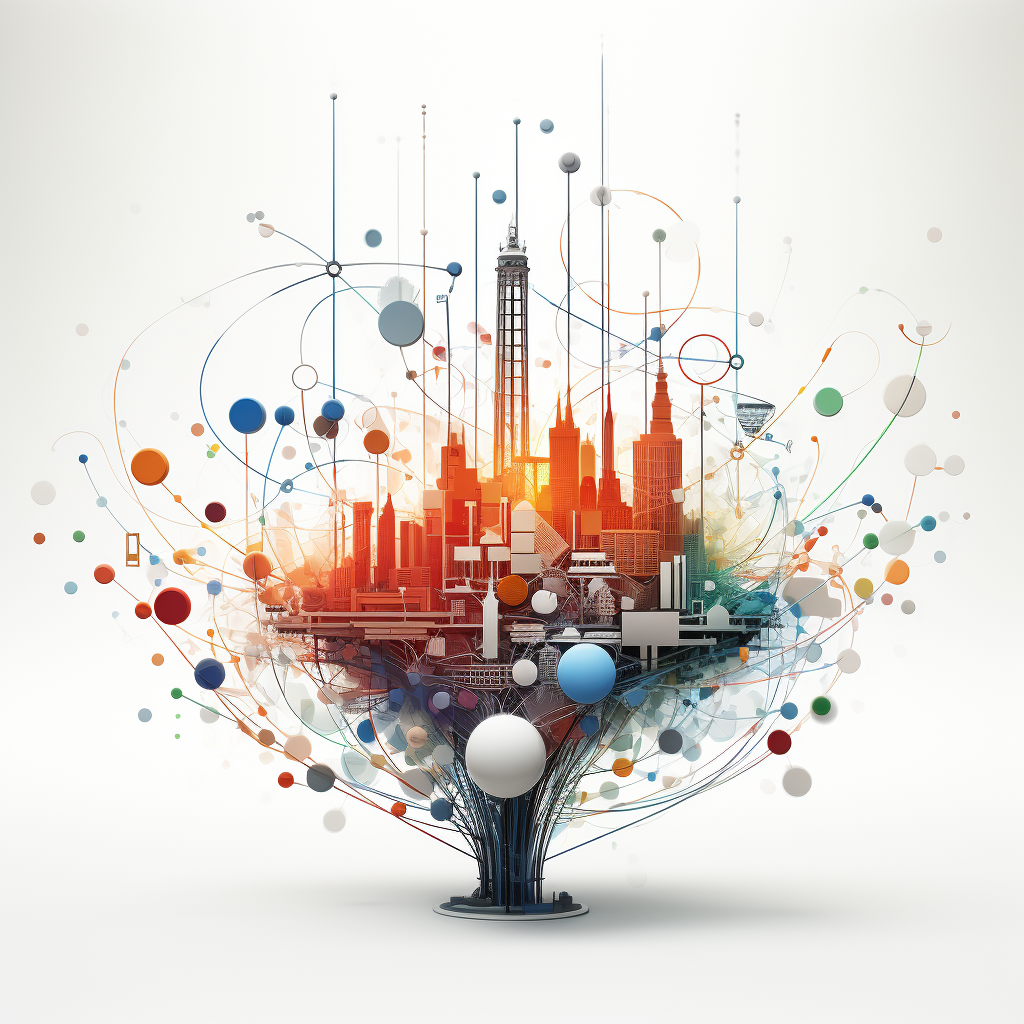
Welcome to an exciting new chapter in the story of energy, where we’re transitioning from the traditional grid to the dynamic, intelligent world of smart grids. This shift is similar to swapping an old flip phone for the latest smartphone, redefining our interaction with energy. Smart grids, a key element of this revolution, effortlessly integrate renewable energy sources like solar and wind into our electricity networks. This change isn’t just eco-friendly; it’s a vital response to climate change and a significant move away from fossil fuel dependence.
Understanding Smart Grids: The Shift in Energy Management
Smart grids aren’t merely an upgrade to our existing power infrastructure; they signify a fundamental shift in energy management. They transform the grid from a one-way, centralized system to a dynamic, interconnected network, responsive to real-time supply and demand changes. This intelligent approach allows the grid to smoothly integrate renewable energy, optimise energy distribution, and improve overall efficiency.
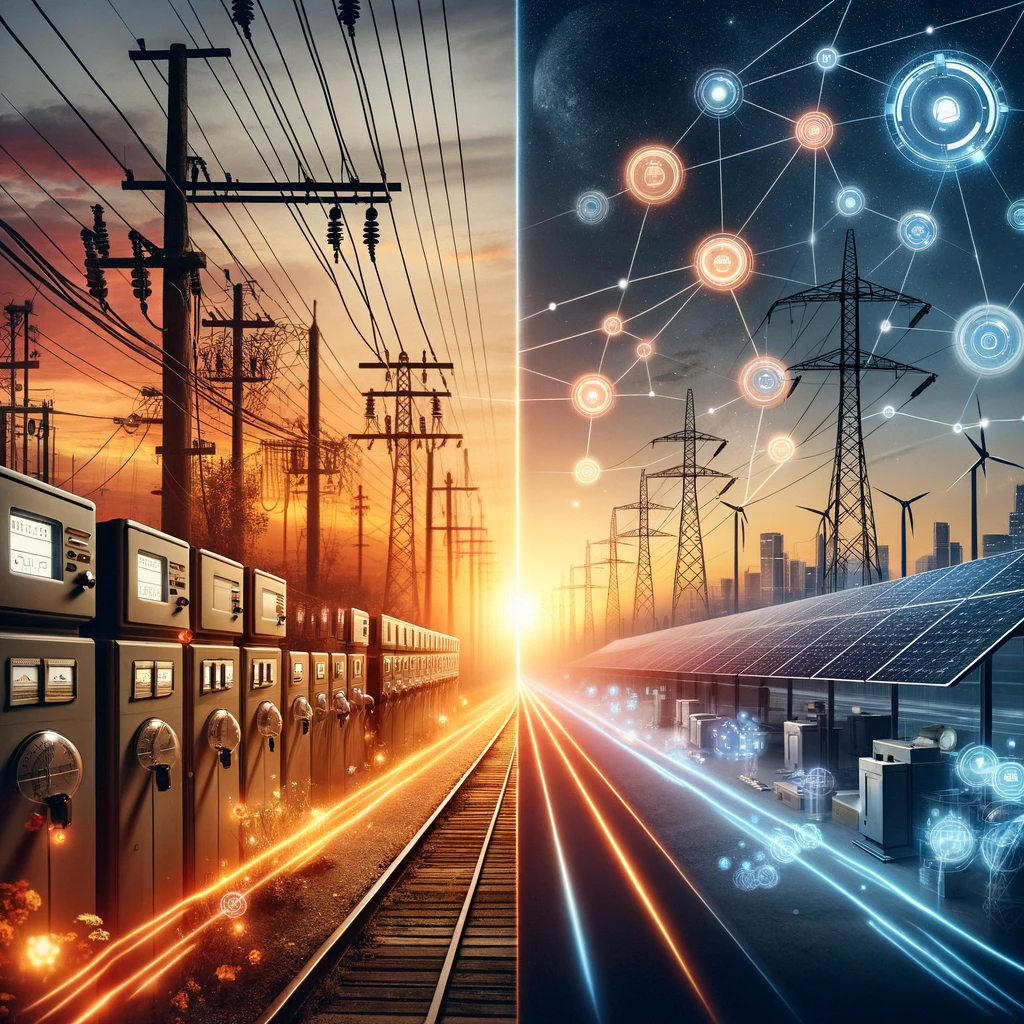
Harmonising Renewable Energy Sources: A path to sustainability
In the world of smart grids, diverse renewable sources like solar, wind, and hydropower coexist harmoniously. These grids skillfully balance the natural fluctuations in renewable energy generation, ensuring a stable and reliable energy supply. This diversity creates a resilient and robust energy portfolio, crucial for our urban landscapes’ sustainability.
Empowering Consumers, Enhancing Efficiency: A Collaborative Approach

Smart grids do more than manage energy; they empower consumers. Providing real-time energy data, they enable users to monitor and adjust their energy use, leading to smarter consumption decisions. This real-time feedback allows consumers to make informed energy usage choices, promoting conservation and reducing costs.
Additionally, these grids significantly enhance overall efficiency, minimising energy losses and optimising electricity flow. Technologies like smart meters, demand response programs, and advanced grid management systems work together to reduce waste and optimise electricity distribution across the network.
Innovative Technologies and Strategies: The Backbone of Smart Grids
Smart Grids rely on innovative strategies and technologies for their intelligent functionality:

- Real-time Monitoring and Forecasting: Data gathering and trend prediction through sensors and communication systems enable smart grids to anticipate supply and demand changes, ensuring a proactive and responsive energy management approach.
- Distributed Energy Resource Management: Coordinating output from individual sources like rooftop solar installations and energy storage units allows smart grids to aggregate and optimize distributed energy resources.
- Energy Storage Integration: Systems like batteries store surplus renewable energy during low demand and release it during peak demand, ensuring a constant and reliable energy supply.
- Demand-Side Management: Encouraging users to adjust their energy use in real-time, responding to grid conditions and price signals, helps balance supply and demand, reducing the need for rapid power plant adjustments.
- Grid Optimization: Continuous refinement of power transmission and distribution through advanced algorithms and automation ensures peak efficiency, minimizing energy losses and optimizing electricity flow across the grid.
Addressing Challenges Head-On: Navigating the Path to Smart Grid Adoption
Transitioning to smart grids involves overcoming financial, technical, and social challenges. Integrating diverse energy sources, maintaining reliability, managing complex systems, ensuring cybersecurity, and gaining public trust is crucial in this journey.
- Financial Considerations: The initial costs of upgrading to smart grid infrastructure can be substantial. However, the long-term benefits, including energy savings, reduced maintenance costs, and increased grid resilience, often outweigh the upfront investment.
- Technical Complexity: Smart grids are complex systems requiring expertise in advanced technologies, communication protocols, and cybersecurity measures. Addressing these technical challenges necessitates collaboration among experts in various fields, including electrical engineering, computer science, and information security.
- Social Acceptance: Public understanding and acceptance of smart grid technologies are essential for their widespread adoption. Addressing concerns about privacy, data security, and potential disruptions during grid upgrades is crucial for gaining public trust and ensuring a smooth transition to smart grids.
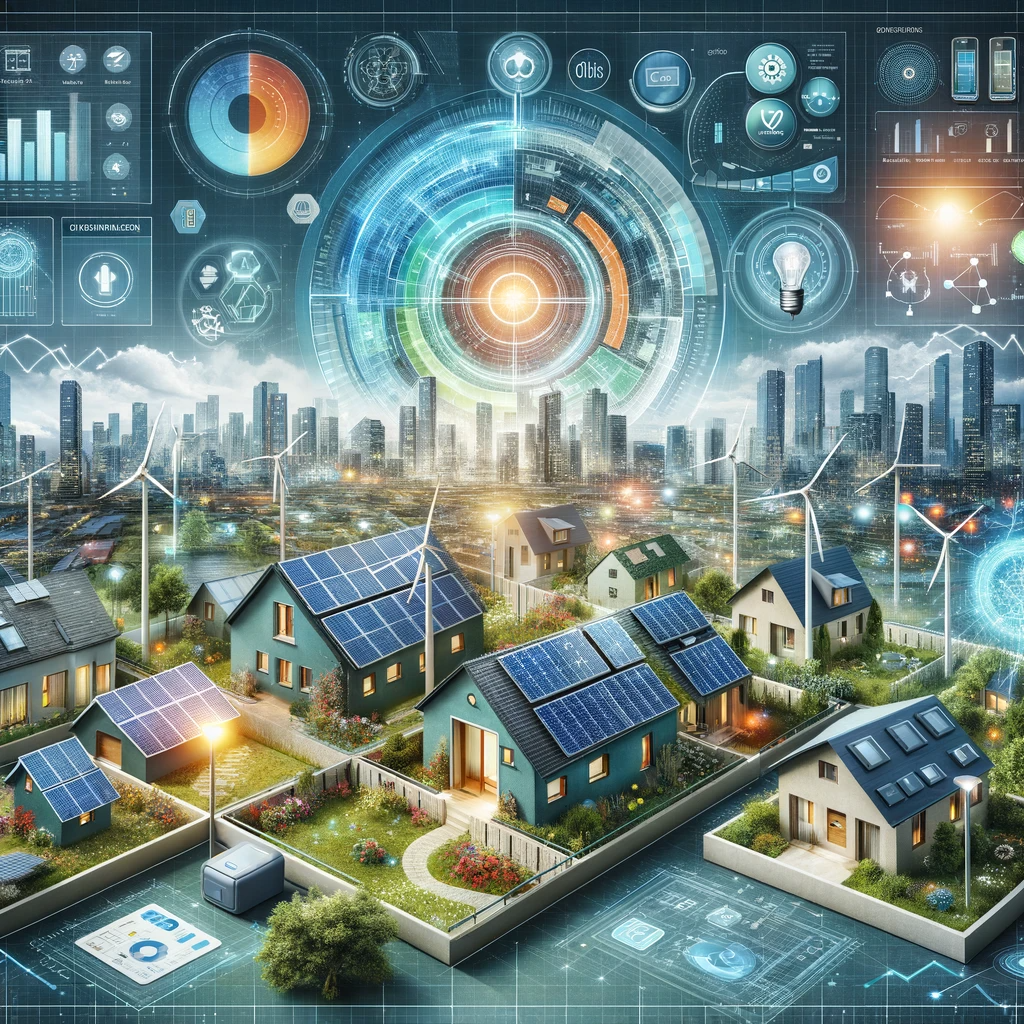
Global Inspirations, Future Aspirations: A Glimpse into the Smart Grid Era
Countries like Denmark, Germany, and South Korea are leading in smart grid and renewable energy integration. These nations have implemented innovative policies, invested in smart grid infrastructure, and fostered stakeholder collaboration, setting the stage for a more sustainable energy future.
The future vision is a city where every building not only consumes but also generates and stores energy, where electric vehicles seamlessly integrate with the grid, and where power outages become a thing of the past. Smart grids will play a pivotal role in realising this vision, enabling a more efficient, resilient, and sustainable energy landscape.


 Energetic Dialogues